
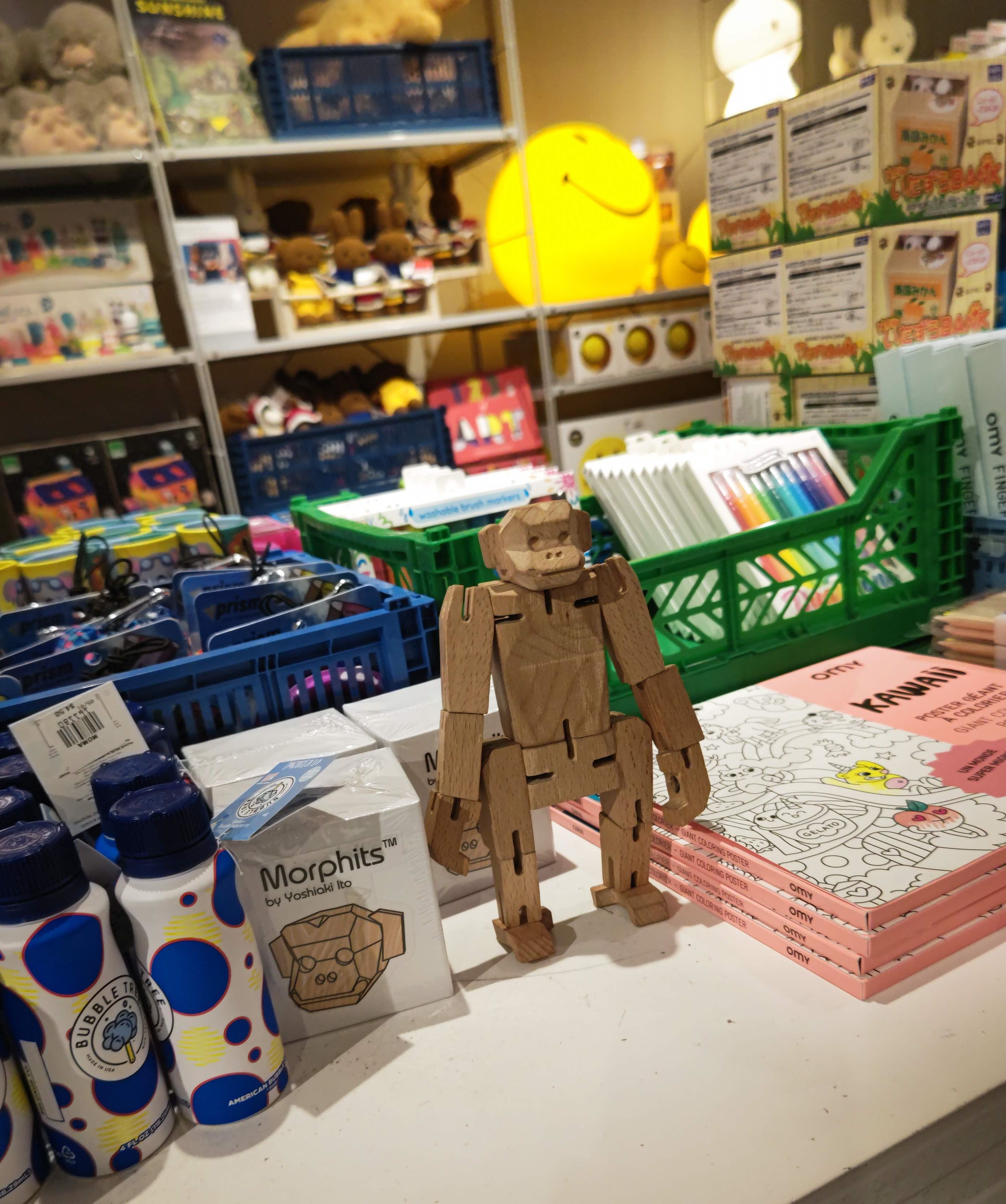
Why Museums Love Morphits: A Fusion of Art, Design, and Play
Museum shops occupy an unusual space. They are expected to offer objects that are accessible enough to take home, yet thoughtful enough to reflect the ideas of the institution around them. That is one reason Morphits have connected so naturally with museum audiences: they combine design, transformation, and hands-on discovery in a single compact wooden object.

The Problem with Objects You Can Only Look At
Museums are filled with objects that invite us to think, but many of them must remain behind glass. A museum shop can extend that experience in a different direction by offering design objects that visitors can actually touch, manipulate, and continue exploring after they leave.
Enter Interactive Design
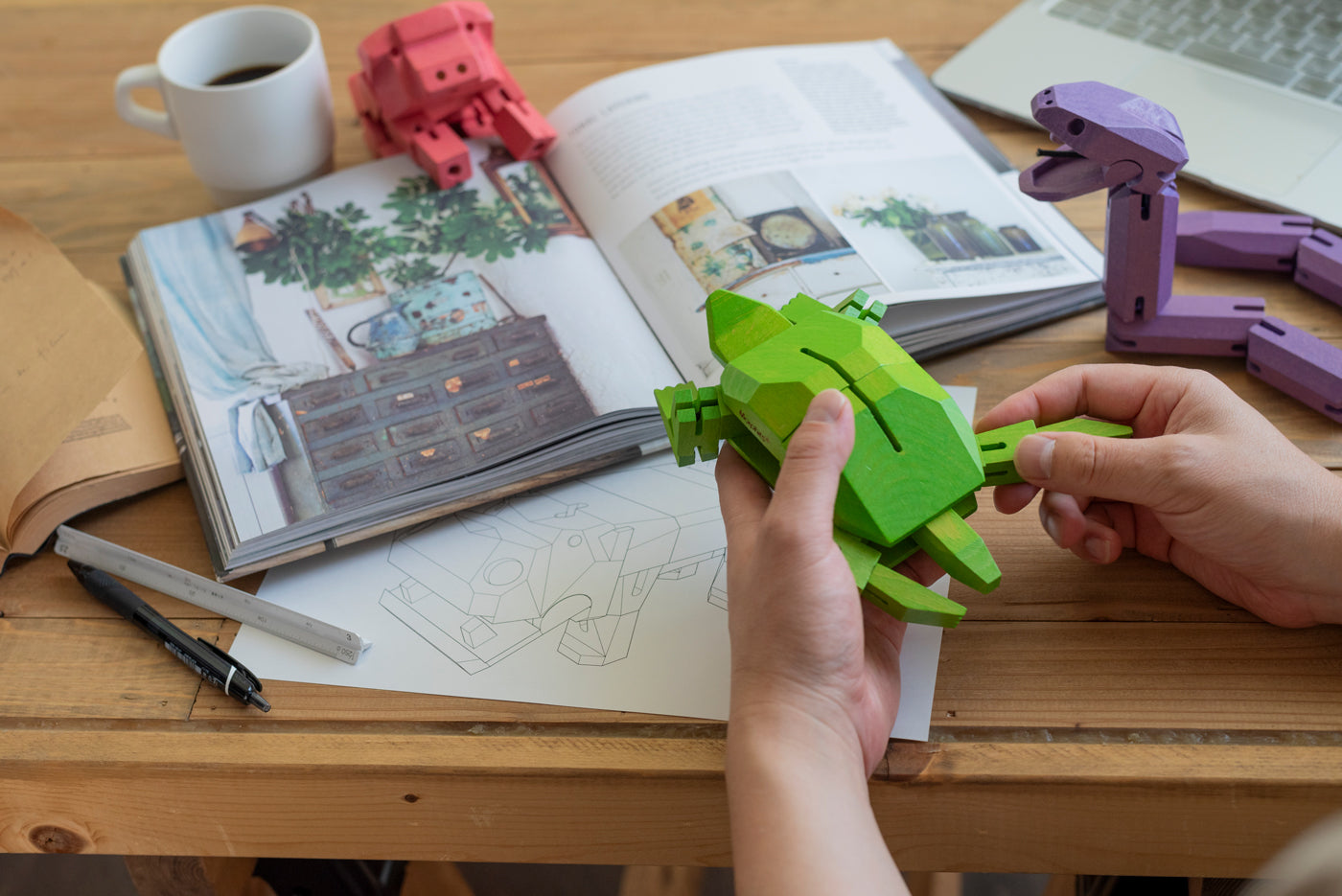
Morphits sit at the intersection of industrial design, puzzle mechanics, and character. A compact geometric form unfolds into a recognizable animal, allowing the user to discover the design through movement rather than through explanation alone. Several qualities make that especially suited to a museum-shop environment:
- Transformation: The object reveals its idea through a physical sequence of folding and reshaping, turning the mechanism itself into part of the experience.
- Design Story: The contrast between abstract geometry and an expressive animal makes the design process visible and easy to appreciate.
- Broad Appeal: Puzzle lovers, design enthusiasts, collectors, and families can approach the same object from different perspectives.
Why Morphits Feel at Home in Museum Shops
Morphits have been carried by museum and cultural institution shops including the Museum of Modern Art, the Smithsonian Institution, and the MIT Museum. In each setting, the appeal is similar: the object is not simply a souvenir of design. It is a design experience that continues in the user's hands.
Take the exhibition instinct home with you.

コメントを書く
このサイトはhCaptchaによって保護されており、hCaptchaプライバシーポリシーおよび利用規約が適用されます。