

Open-Ended Play: What It Is and Why Your Child Needs It
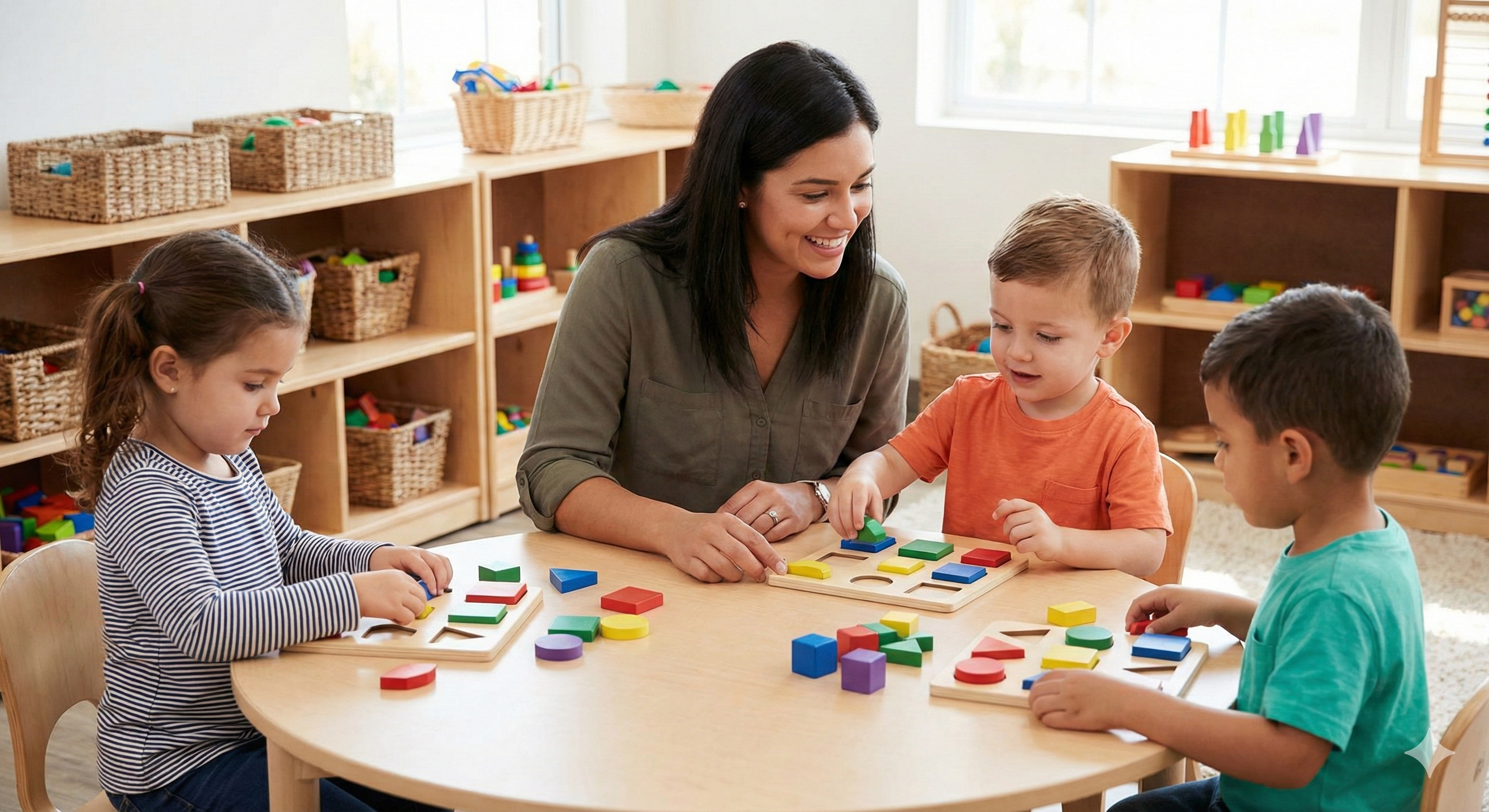
Walk down a toy aisle today, and you will see boxes that tell you exactly what to do: "Build this police station," "Press this button to hear a song," "Match these colors." These are called Close-Ended Toys. They have a clear beginning and end. But once the puzzle is solved, the play is over.

What is Open-Ended Play?
Open-ended play happens when a child uses an object in a way that has no fixed outcome. A block can be a phone, a sandwich, a car, or a castle. There are no rules, no instructions, and no "right" or "wrong" way to play. This is where true creativity lives.
Why It Matters for the Future
The world is changing fast. The jobs of the future will require people who can think outside the box, not just follow a manual. When a child plays with a Morphit or a set of simple wooden planks, they are practicing divergent thinking—the ability to generate multiple solutions to a single problem. They aren't just following a script; they are writing their own.
The Boredom Factor
Parents often panic when a child says, "I'm bored." But boredom is actually the spark for open-ended play. If a toy entertains the child for them (with flashing lights and noises), the child becomes passive. If the toy sits there quietly, the child is forced to activate their imagination to bring it to life.
Stop buying instructions. Start buying possibilities.


コメントを書く
このサイトはhCaptchaによって保護されており、hCaptchaプライバシーポリシーおよび利用規約が適用されます。