Designing With Constraints: How Fewer Parts Create More Possibilities
More features do not automatically create a better object. Sometimes the most useful design decision is deciding what not to add.
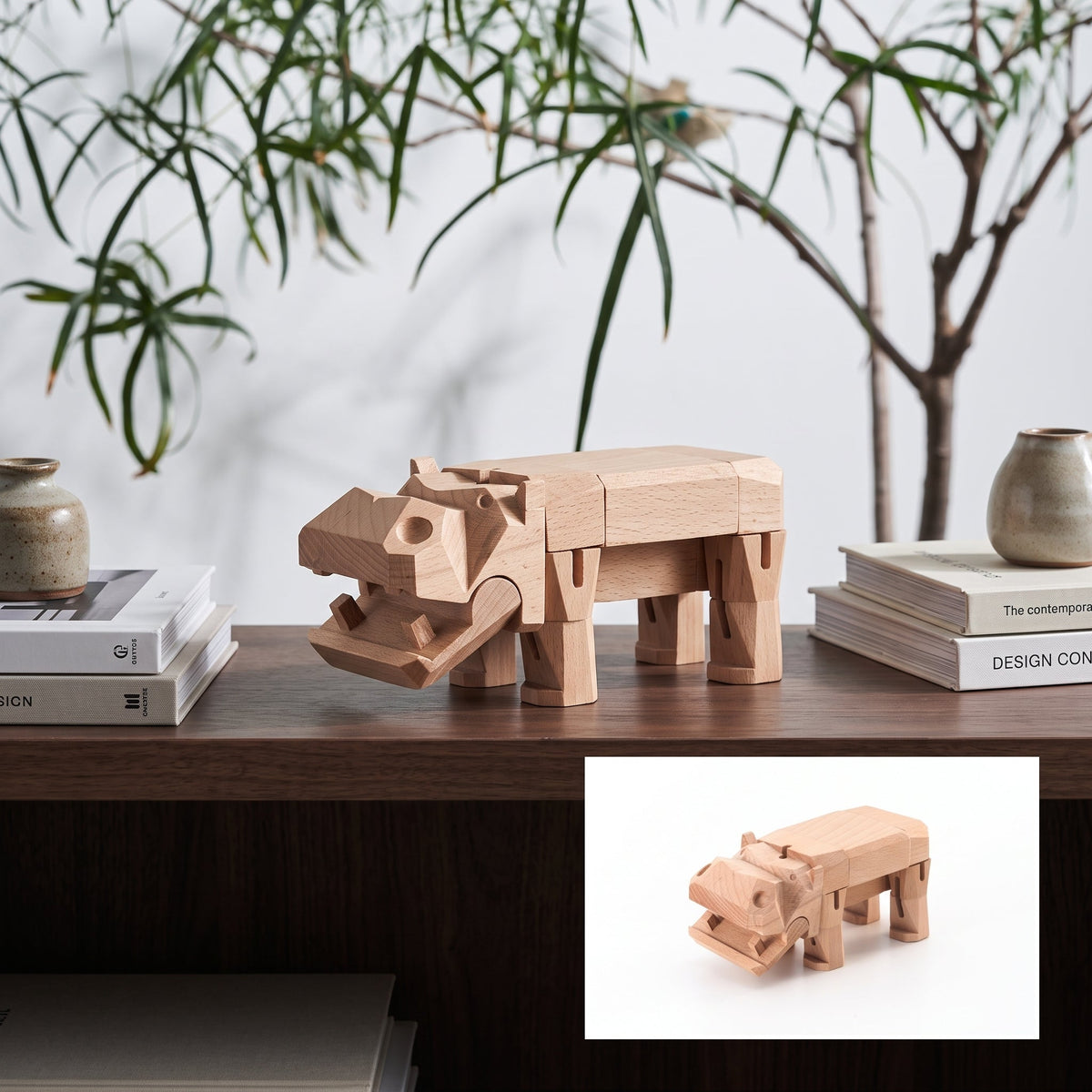
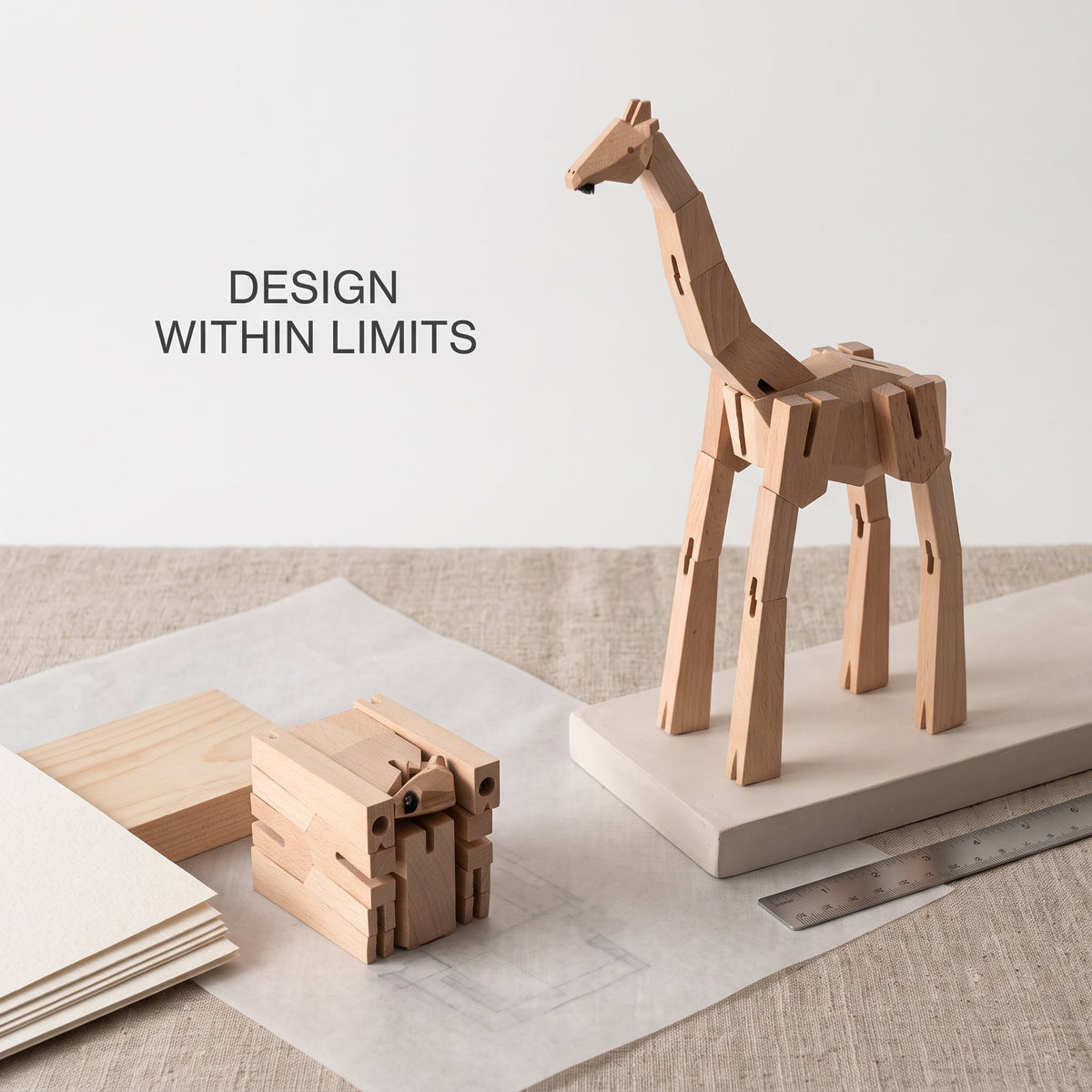
Morphits® was developed around a set of constraints: a compact geometric starting form, a recognizable animal, a limited number of parts, and enough movement to create multiple poses. Those limits might sound restrictive, but they became the engine of the design process.

Why Limits Can Be Useful
A blank page offers endless possibilities, which can also mean endless indecision. Constraints narrow the field. They force each element to justify its place and make the relationship between parts more important.
When the number of components is limited, one piece may need to perform several jobs. A form can become part of the body in one configuration, contribute to the silhouette in another, and help the object fold back into a compact shape.
Designing the System, Not Just the Pose
The challenge is not simply to create one attractive animal pose. The structure has to work as a system.
- Every Part Needs a Purpose: Reducing unnecessary components keeps the object visually clear and mechanically understandable.
- Movement Must Serve the Form: A joint is useful only if its range of motion creates meaningful new positions.
- Each State Must Feel Intentional: The compact form, the transformed animal, and the positions in between should all belong to the same visual language.
Fewer Parts, More Interpretation
There is an interesting paradox in simple design. The fewer details an object has, the more room there can be for interpretation.
An abstract wooden animal does not need to describe every feature literally. A few carefully proportioned forms can suggest a neck, a body, a leg, or a gesture. Then movement adds another layer, allowing posture to communicate what surface decoration does not.
Constraint as a Design Tool
Constraints are often treated as problems to overcome: manufacturing limits, material limits, cost limits, size limits. But they can also give a product its identity.
For Morphits®, the need to transform helped determine the geometry. The limited geometry shaped the character. And the character, in turn, made the transformation worth exploring.
That loop is one of the reasons I continue to be interested in multifunctional objects. A strong limitation can produce more than one answer.
Less structure can sometimes create more possibility.