
Silent Toys, Loud Kids: How Unplugged Play Builds Vocabulary
Walk into a modern playroom, and you are often greeted by a cacophony of beeps, sirens, and recorded voices. "The cow says MOO!" "Press the red button!" While these electronic toys seem educational, speech therapists have found they might actually be doing the opposite. They do the talking for the child.

The Power of Silence
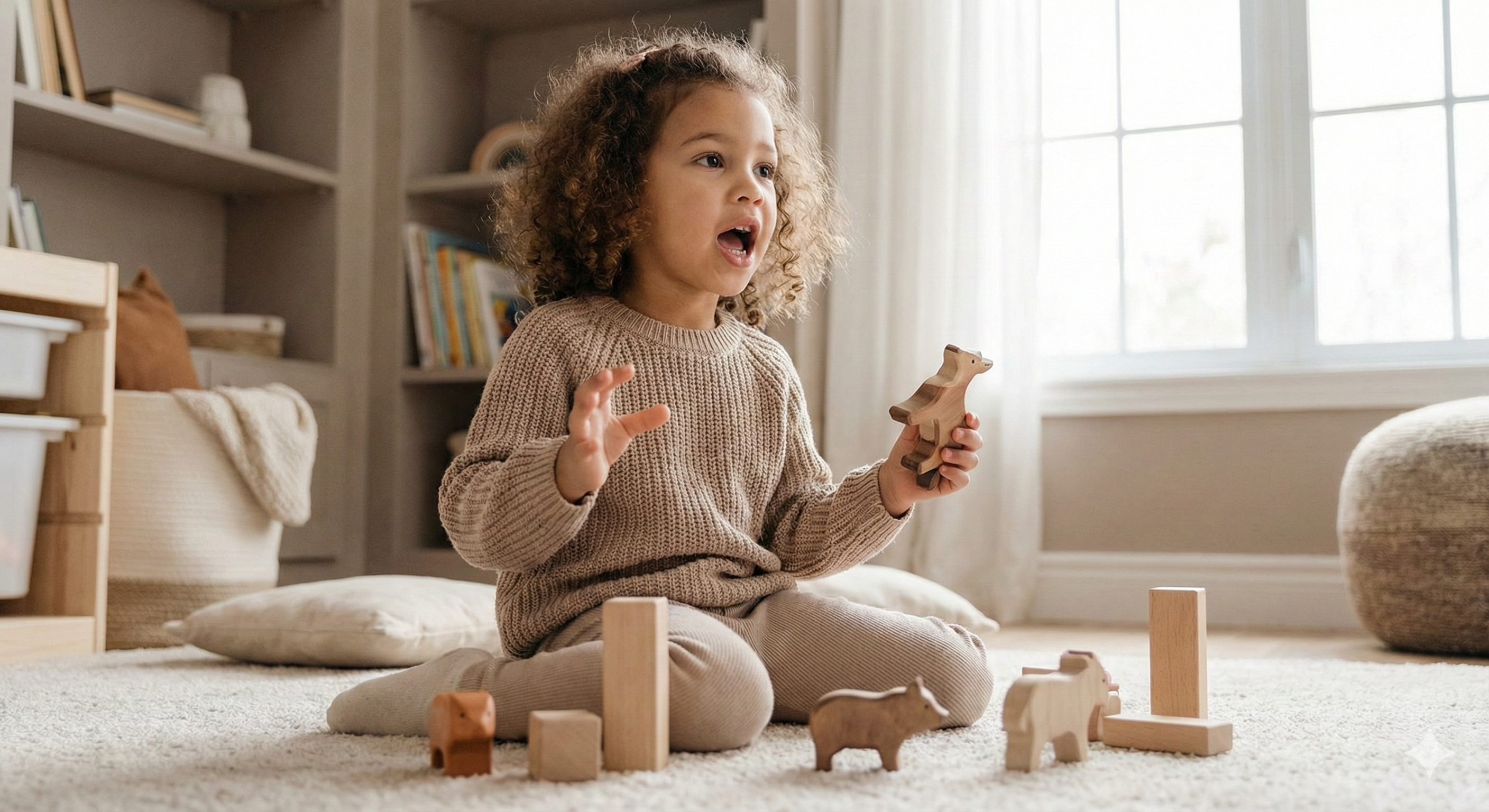
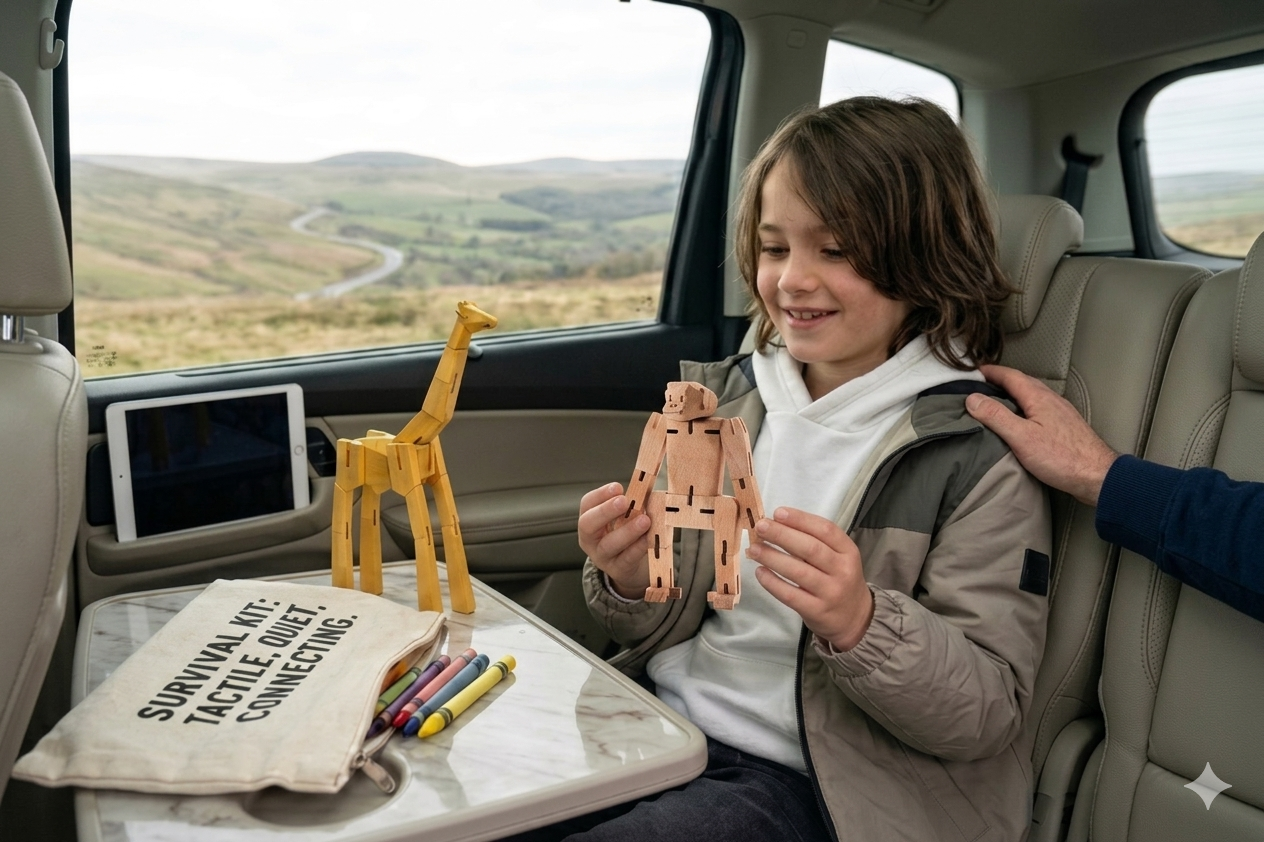
A wooden toy, like a Morphits figure, is silent. It doesn't have a speaker or a battery pack. This silence is a vacuum that a child feels compelled to fill. To bring the toy to life, the child must provide the sound effects ("Zoom!", "Stomp!"), the dialogue, and the story. This active narration is where vocabulary grows.
From "Passive" to "Active" Storytelling
When a toy has a pre-recorded script, the child is just an audience member. But with an open-ended figure, the child becomes the director. One minute the wooden block is a phone, the next it's a sandwich. This requires the child to use descriptive words and complex sentences to explain what is happening, boosting their language processing speed.
Social Scripts
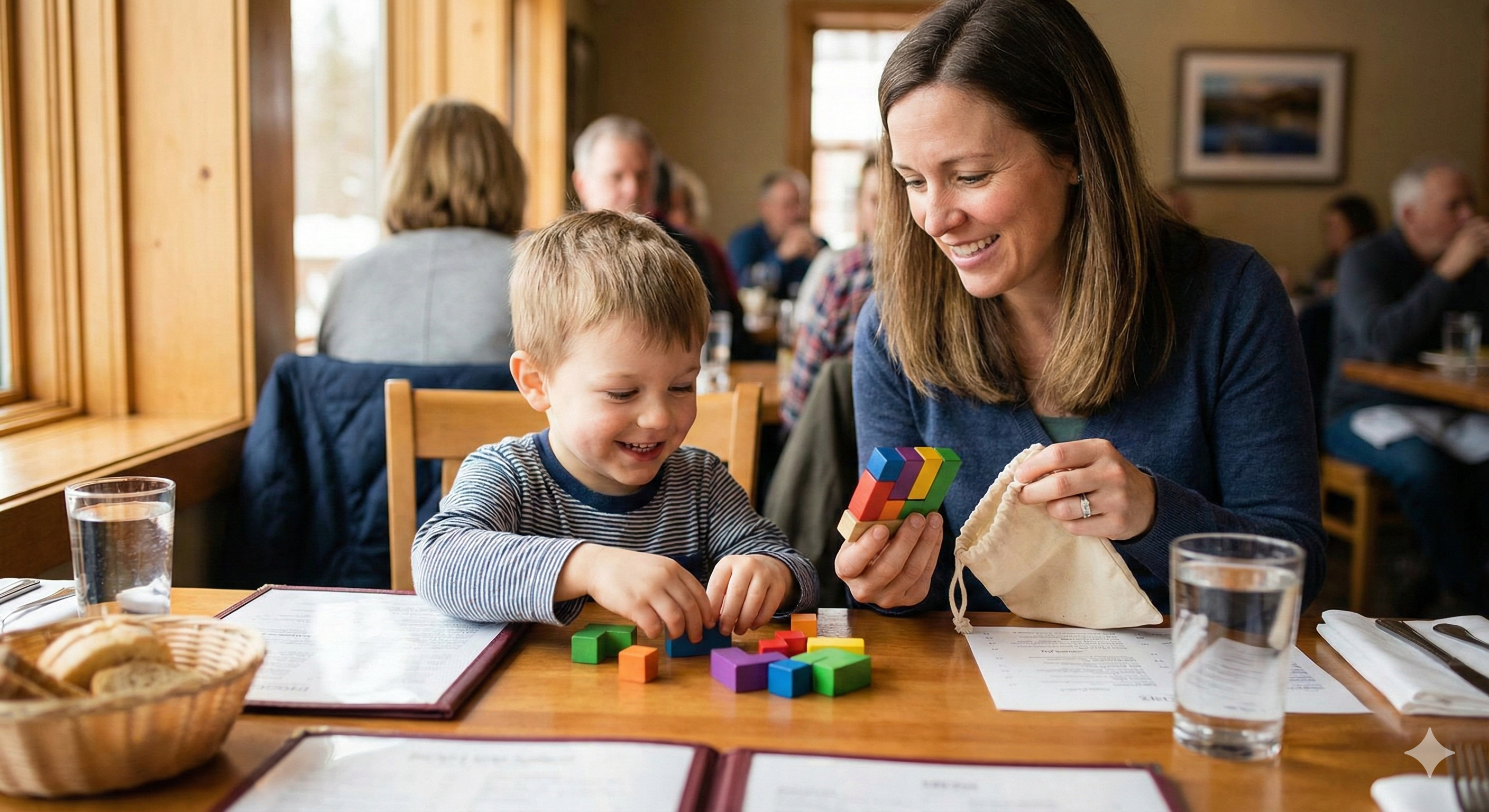
Silent toys also encourage more talking between peers. If two children are playing with a beeping tablet, they tend to stare at the screen in silence. If they are building a wooden city, they have to negotiate: "Put that there," "No, it's going to fall," "Let's make a bridge." This negotiation is the training ground for real-world social skills.
Turn off the noise, and turn on the imagination.

Leave a comment
This site is protected by hCaptcha and the hCaptcha Privacy Policy and Terms of Service apply.