
Morphits: A 3-Year Triumph for Wooden Toy Enthusiasts
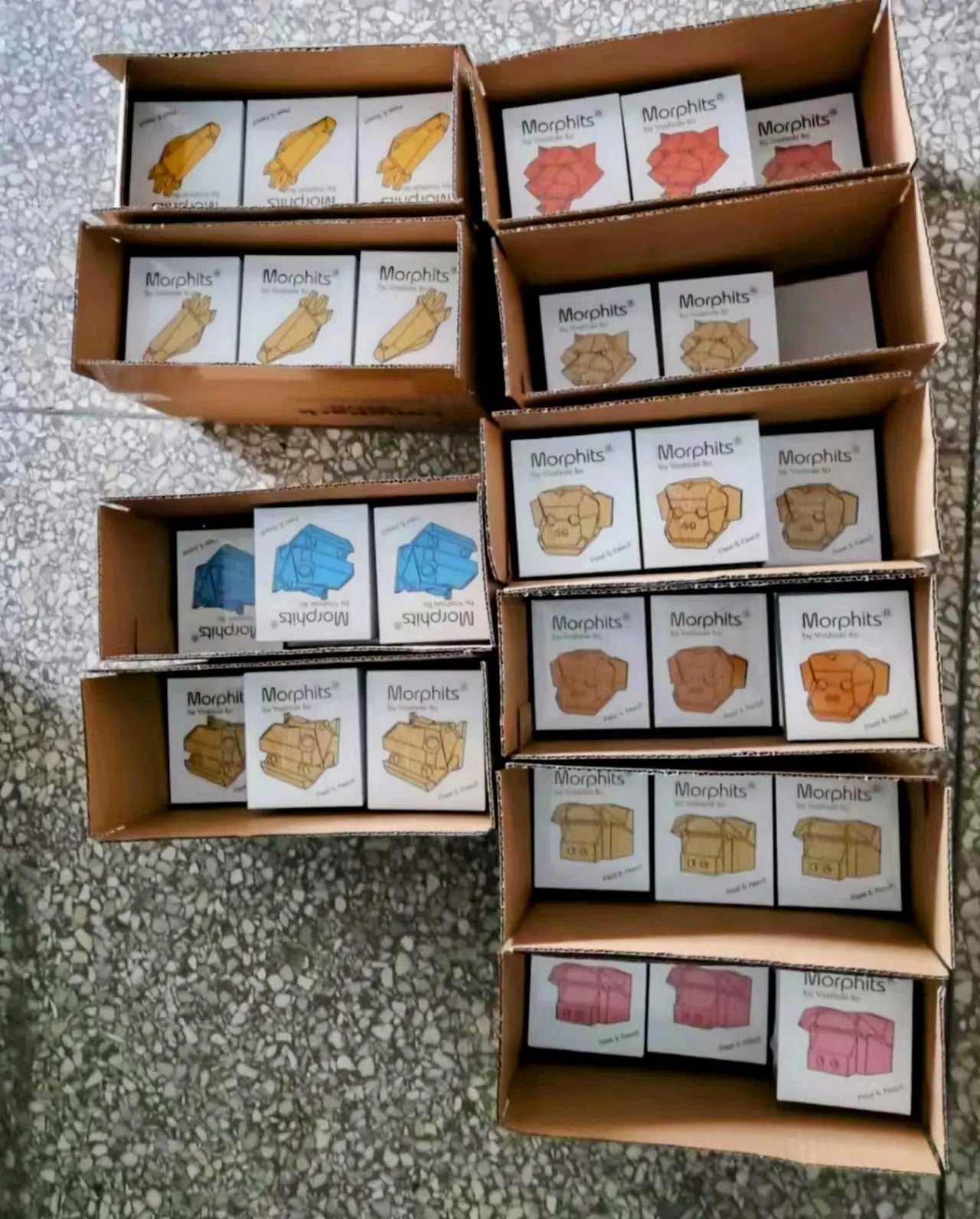
Three years can disappear into a finished object. By the time the first Morphits reached our California warehouse, the compact wooden animals looked deceptively simple. Behind them was a long chain of prototypes, engineering decisions, manufacturing revisions, and patient adjustments needed to turn a transforming idea into something that could be produced consistently.

The Problem with Making Transformation Look Simple
A transforming object only feels effortless when the difficult decisions have already been solved. Angles have to meet correctly, joints need to move with the right resistance, forms must read clearly in more than one configuration, and the production version has to behave like the prototype. Small errors can ripple through the entire mechanism.
Enter Three Years of Iteration
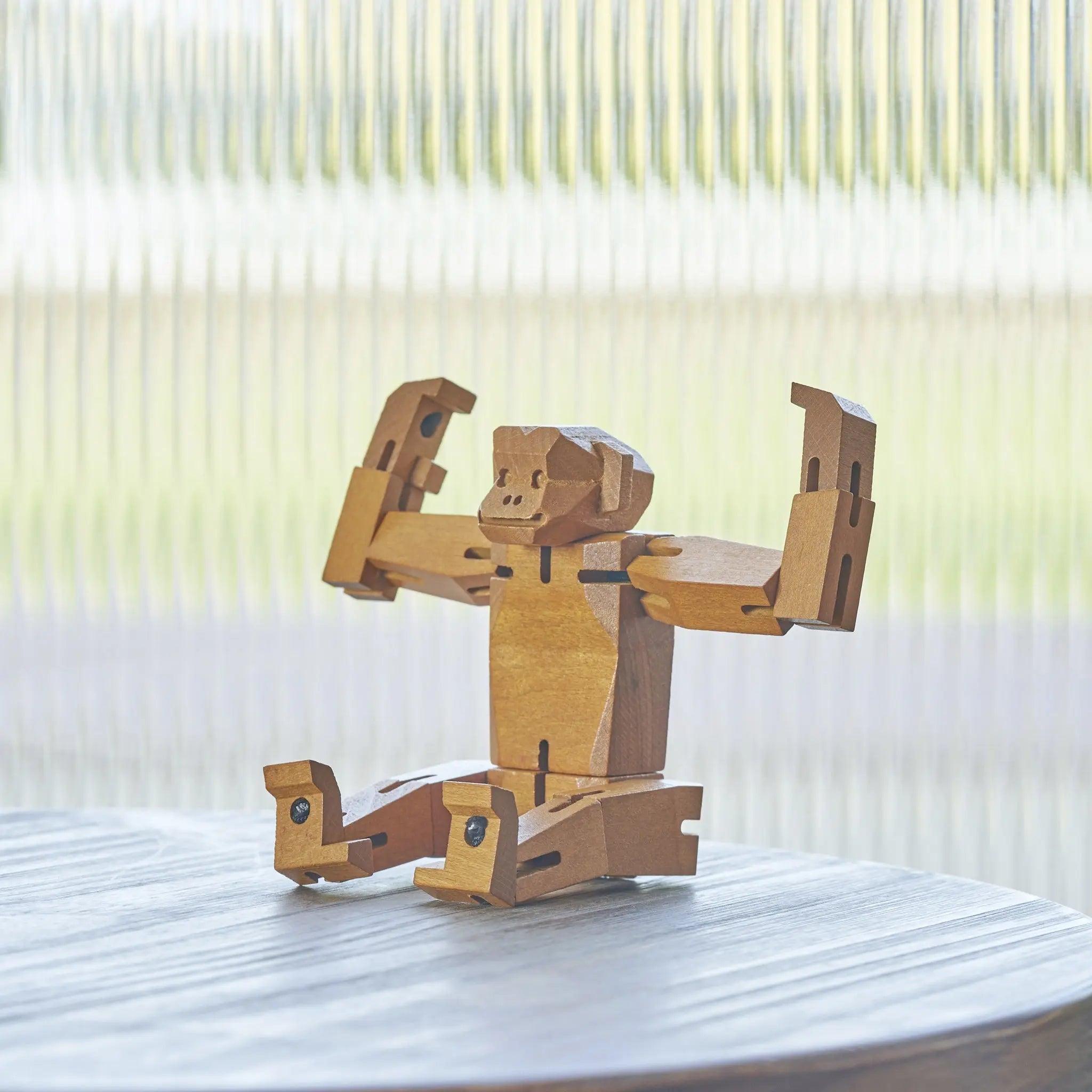
The Morphits development process was less about adding complexity and more about removing everything that did not need to be there. The goal was to make the final transformation feel intuitive while preserving the character of each animal. That required attention to several layers of the design:
- Form and Mechanism: The geometry had to function as both an abstract compact form and a recognizable animal after transformation.
- Manufacturing Precision: Cuts, connections, and tolerances needed to be repeatable so the mechanism would work consistently from piece to piece.
- From Prototype to Production: Ideas that worked by hand had to survive the transition into real manufacturing, packaging, shipping, and everyday use.
When the First Shipment Finally Arrived
The arrival at our California warehouse marked a quiet but important shift. Morphits were no longer only prototypes, renderings, or production samples. They had become finished objects that people could finally hold, transform, and make their own.
Three years of work, folded into the palm of a hand.

Leave a comment
This site is protected by hCaptcha and the hCaptcha Privacy Policy and Terms of Service apply.